A conservation project at Road Salt Pond is helping to protect and restore one of Anguilla’s most important wetland environments.
Over the past two years, the Anguilla National Trust has been working alongside the Sandy Ground community, the government and international partners to safeguard the area’s native wildlife.
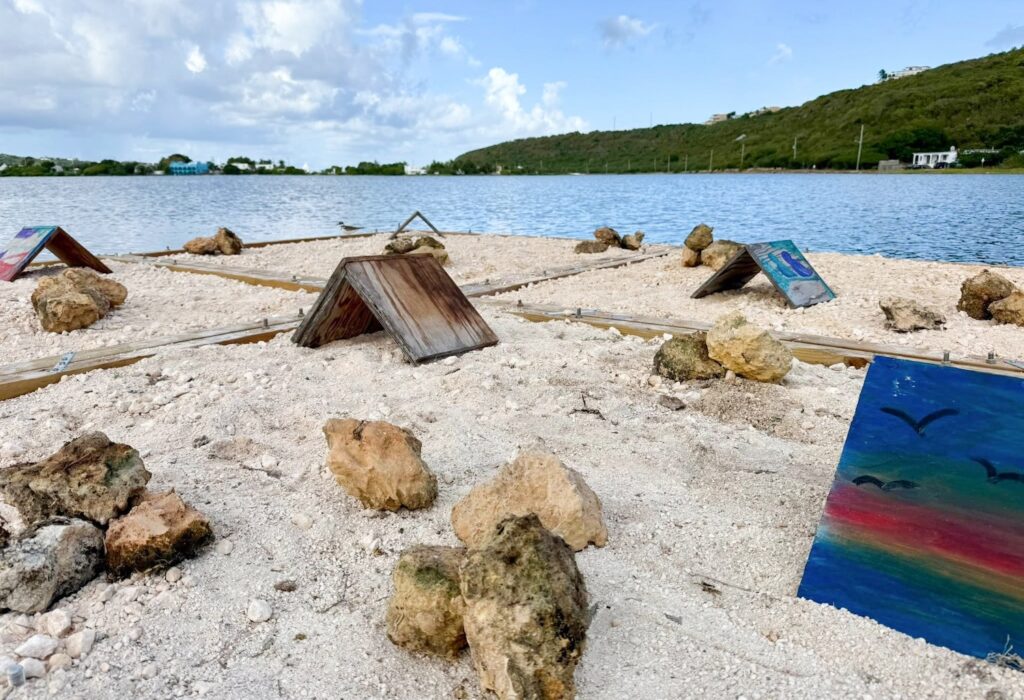
The project has focused in part on restoring habitat for nesting seabirds and shorebirds through the installation of specially designed floating platforms.
Anguilla Focus is not owned by shareholders or investors. Members like you help fund our independent work. Click here to support us from $4/month.
Each raft features a bed of fine rocky substrate to support nesting, along with small shelters to offer protection from the sun.
One larger platform was installed last year, with a second launched in March.
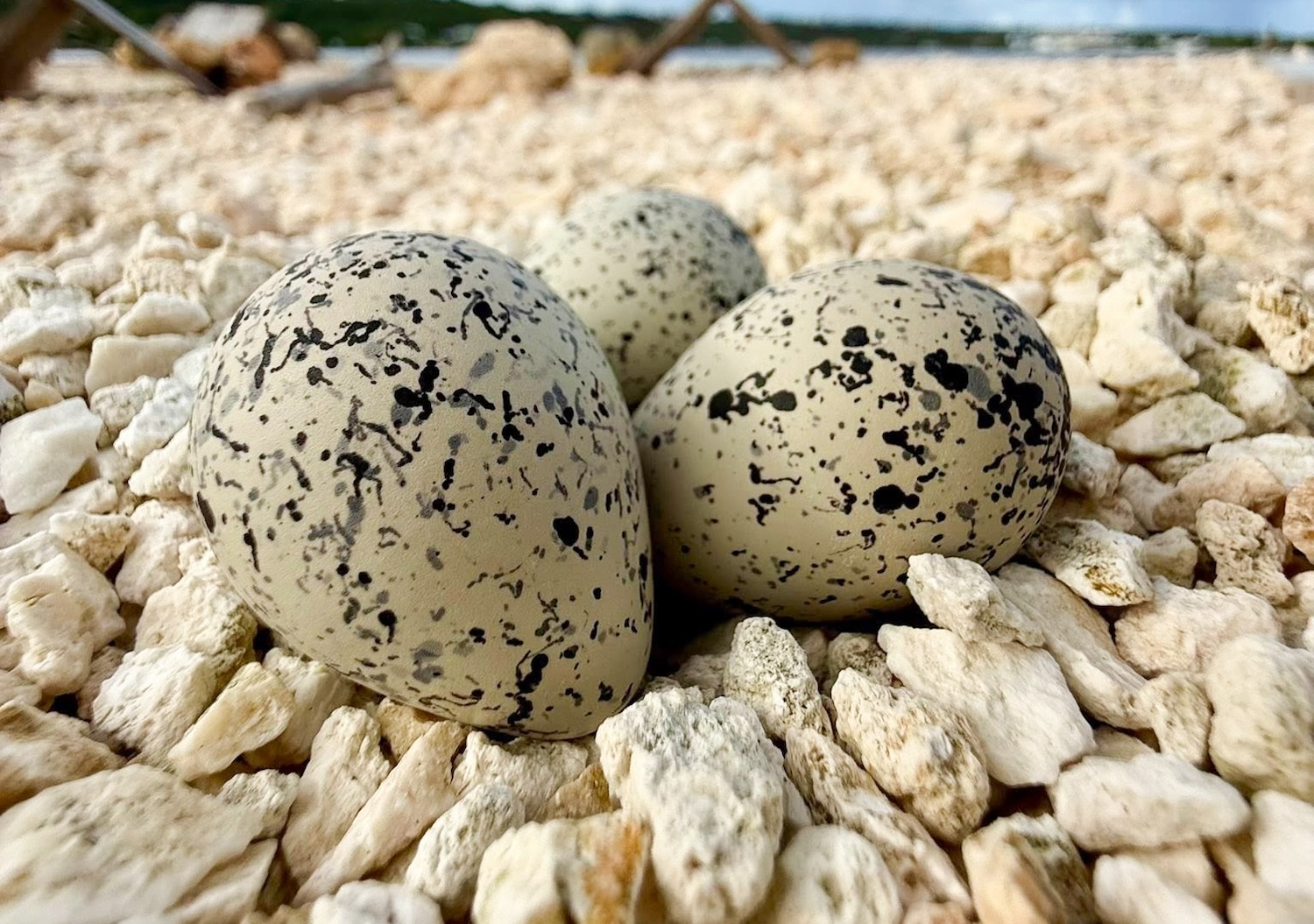
The initiative has already recorded its first success of the season. A killdeer has laid three eggs in a neatly formed nest on the original raft, marking an encouraging early milestone for the project.
The timing of the second platform is also significant, arriving ahead of the upcoming least tern nesting season.
Farah Mukhida, executive director of the Anguilla National Trust, said the installation of the nesting rafts forms part of wider efforts to support wildlife and restore wetland ecosystems.
“These nesting rafts are small structures with a big impact – creating safe, resilient habitat for shorebirds and seabirds while helping restore the ecological balance of Road Salt Pond,” she told Anguilla Focus.
“By providing secure spaces for resting and nesting above the water, they give vulnerable species, including least terns which are protected in Anguilla, a better chance to thrive, contributing to a healthier, more vibrant wetland for all the wildlife that depends on it.”
Among the international partners supporting the project are BirdsCaribbean, Wildlife Management International, Fauna and Flora, Re:wild, and the Fort Worth Zoo.
The project was funded by the UK government’s Biodiversity Challenge Funds through the Darwin Plus Initiative, as well as the US Fish and Wildlife Service’s Neotropical Migratory Birds Conservation Act.