The suspension of import duty and the customs service fee on gasoline and diesel entering Anguilla will remain until the end of 2026, the premier has confirmed.
These will sit alongside existing concessions, such as the zero-rated goods tax and no excise duty on eligible fuel imports, to help counter high costs and reduce the impact on consumers.
Cora Richardson Hodge announced the continuation of the support during a government press conference on 7 September.
At Anguilla Focus we keep our core content free for everyone – but our members get access to even more! Click here to join from just $4/month.
“The existing fuel-related exemption measures will continue through the end of 2026, and the cost of continuing those measures has been factored into the government’s fiscal planning,” she said.
“These measures have provided important relief during a period of elevated fuel and import costs, while representing revenue that government would otherwise have collected.”
The premier first announced the fuel import support, along with additional relief measures, during an address to the nation on 30 April amid a period of geopolitical tensions.
Electricity fuel surcharge
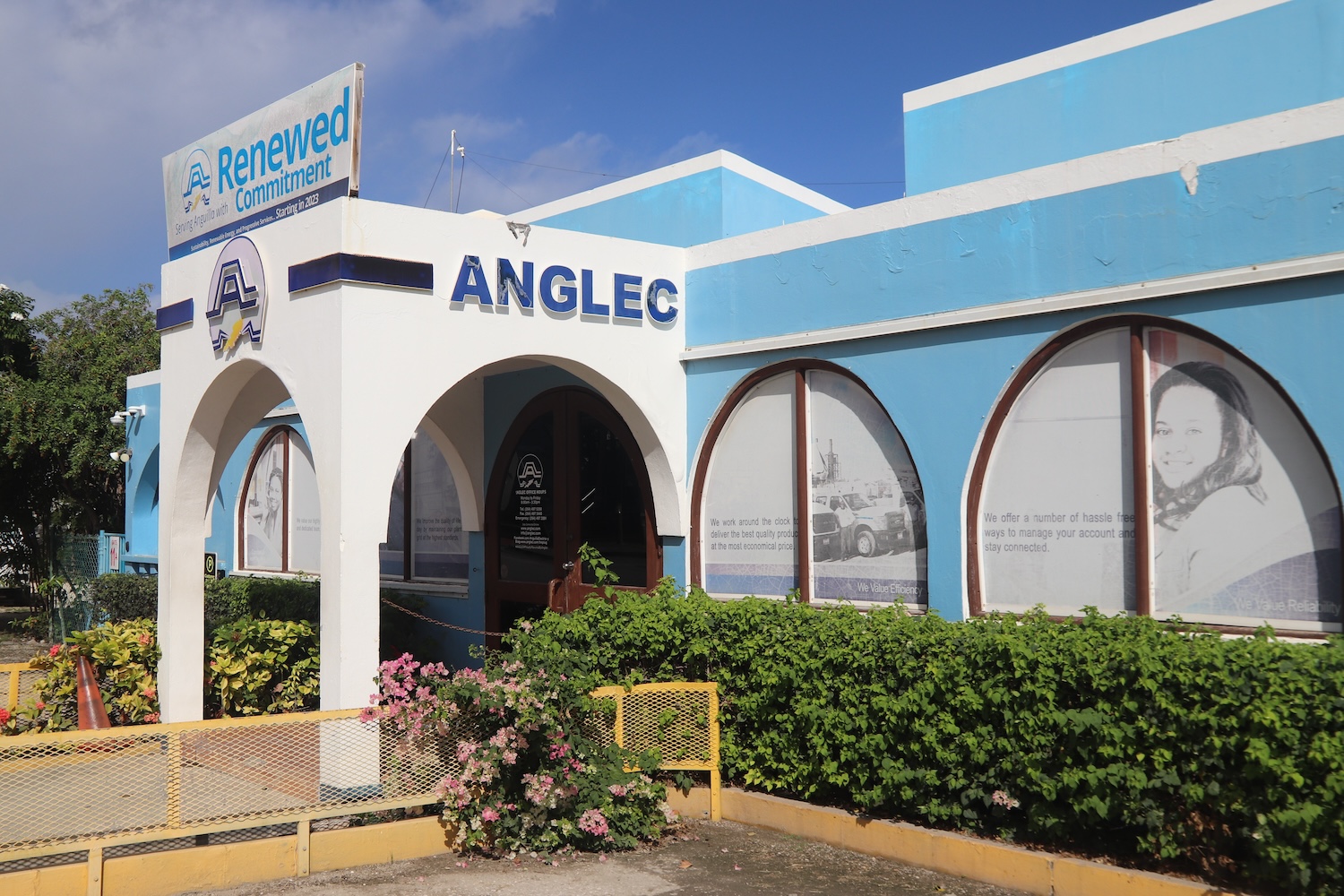
Meanwhile, the government’s arrangement to offset the electricity fuel surcharge is due to end with the issue of ANGLEC’s September bills which cover August usage.
The surcharge was capped at $0.42 per kilowatt hour for residents and businesses, and at $0.65 per kWh for the accommodation sector, with the government paying the remainder to the power company.

However, Richardson Hodge said electricity costs and their impact on consumers are being monitored closely – particularly as the fuel surcharge recently increased again to $1.05 per kWh.
“Any continuation of government support in relation to ANGLEC will therefore be assessed based on the continuing level of need and prevailing fuel costs,” she said.
She added that, more broadly, the government is exploring whether support may need to continue in an “adjusted and more targeted” form.
“The intention is to ensure that, where assistance remains necessary, support can be directed more effectively towards those consumers who are most affected, while also ensuring that the cost remains affordable and fiscally sustainable,” she said.
“Government’s approach is therefore to continue monitoring conditions closely, provide support where there is a demonstrated need, and adapt the form of that support as circumstances change.”