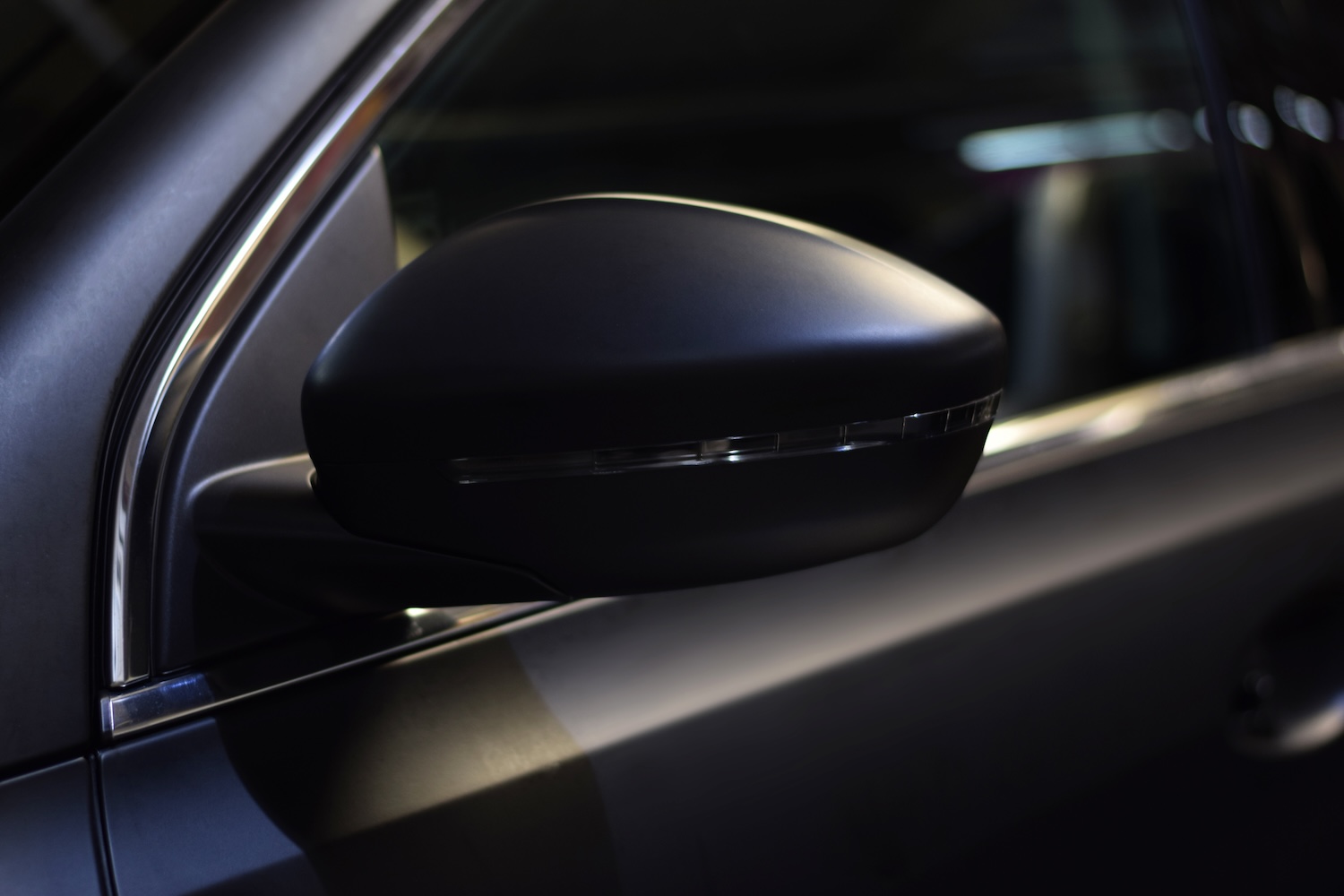
Anyone found to be breaking Anguilla’s vehicle window tint laws could face prosecution from 1 April, the Royal Anguilla Police Force has warned.
The increase in enforcement comes after officers came across numerous traffic violations while conducting checks across the island over the past few weeks.
No charges were issued during this period, but drivers were warned of future penalties and advised to remove excessive tint, a police press release said on 24 March.
Get members-only articles and editorials, giveaways and discount codes with Anguilla Focus. Click here to join from just $4/month.
According to the Vehicles and Road Traffic Act, the front windscreen of a vehicle must be made of clear glass with a strip of tinted glass not exceeding one sixth of the window at the top.
The front side windows may have a film that allows a minimum of 35% of light through, while the rear side windows and back window must allow at least 15% of light through.
Vehicles with factory (manufactured) tint should not have additional tint film applied, as this results in illegal levels of darkness, police said.
Other traffic violations that police will be looking out for include vehicles displaying multiple stickers on the front or rear windscreen and irregular or missing registration plates.
Plates must be affixed to the front and back of the vehicle and clearly visible, police said, adding that anyone without a plate should contact the relevant government departments.
Commissioner of Police Robert Clark told Anguilla Focus that excessively dark vehicle tint presents a genuine safety concern for both the police and the wider public in Anguilla.
“When tint is too dark, officers are unable to see into vehicles during traffic stops, which creates unnecessary risk and uncertainty for officers and drivers alike,” he said.
“It also prevents members of the public, including pedestrians and other road users, from seeing the driver, making eye contact, or assessing driver behaviour at junctions and crossings.
“From a policing perspective, dark tint also reduces the effectiveness of CCTV and other investigative tools, which are important in preventing and detecting crime.”
Clark said it is also important for drivers to understand that very dark tint does not necessarily protect the interior of vehicles from heat or sun damage.
Dark tint mainly reduces visible light but does not automatically stop ultraviolet (UV) or infrared (IR) rays from entering the vehicle. These are the rays responsible for heat and interior deterioration.
“If drivers are concerned about heat and protecting their vehicle interior, they should instead use properly manufactured UV and IR filtering films that are compliant with Anguilla’s legal tint limits,” he said.
“These films can reduce heat and UV exposure while still allowing the driver and occupants to be visible for safety and policing purposes.”
The police commissioner said enforcement will take the form of routine traffic stops, the use of tint meters where available and officers requiring vehicles to have illegal tint removed.
Where drivers fail to comply, they may be prosecuted in accordance with the traffic regulations.
“The intention is not to inconvenience law-abiding motorists, but to ensure road safety, officer safety, and public safety across Anguilla,” Clark said.