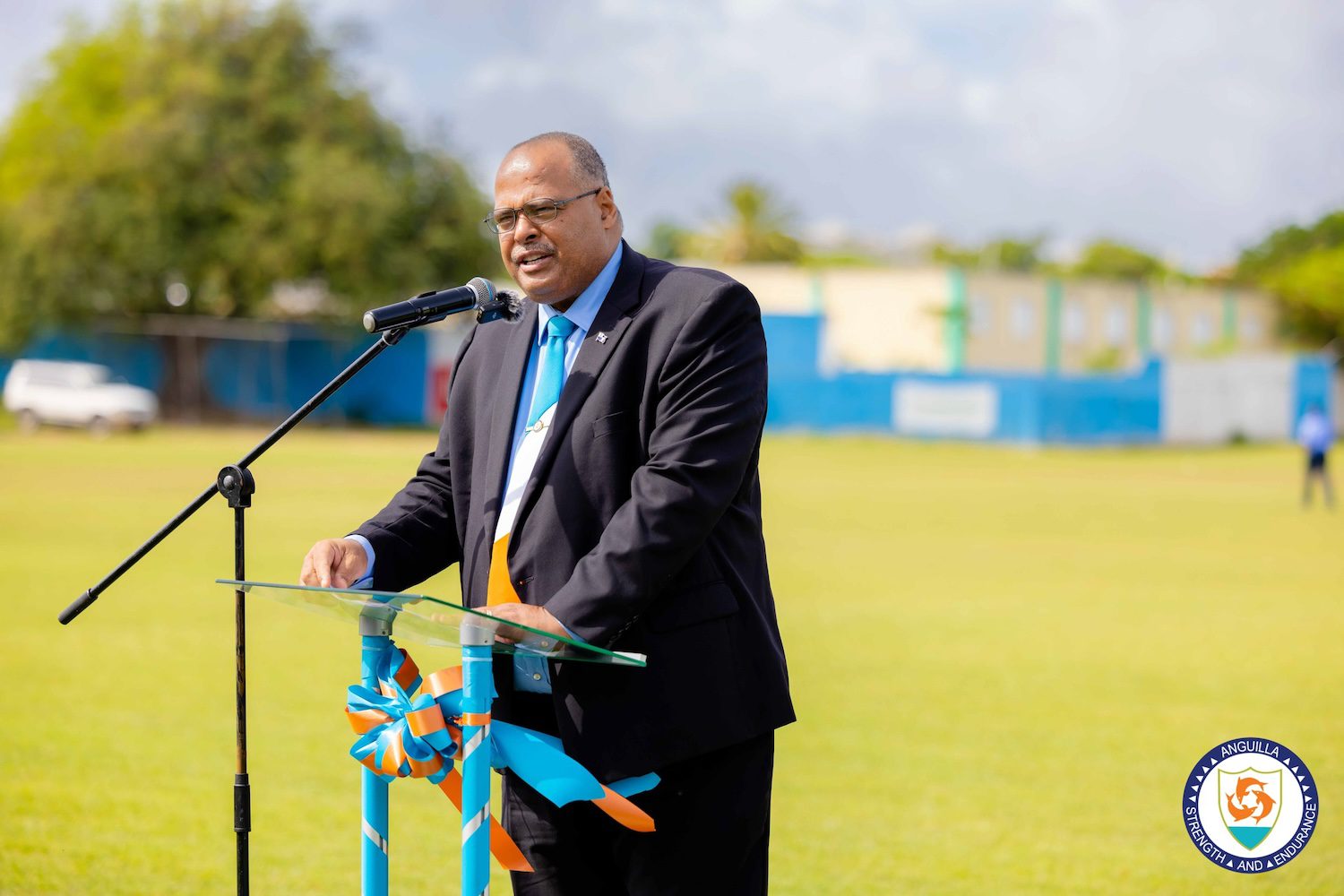
Opposition leader Ellis Webster has blamed the government for failing to increase Anguilla’s electricity generation capacity as the island faces rotational power cuts.
One of ANGLEC’s generators suffered an unexpected mechanical failure last week, leaving the power system without enough capacity to meet demand.
In a statement on 28 August, Webster said the failure highlighted concerns about the island’s electricity infrastructure and the company’s lack of progress in securing additional equipment.
At Anguilla Focus we keep our core content free for everyone – but our members get access to even more! Click here to join from just $4/month.
He also criticised the communication surrounding the power cuts, saying residents were given little warning and were not provided with clear information about expected outages.
“When the blackouts were announced, there was no meaningful warning. No clear schedule. No indication of how long communities would be without electricity,” Webster said.
He stressed that reliable electricity is essential to homes, businesses and the wider economy, and argued that the government has a responsibility to ensure ANGLEC remains capable of meeting demand.
Major shareholder
The current situation should be treated as a national infrastructure concern, Webster said, adding that as a majority shareholder of the publicly traded company, the government has responsibility.
“When ANGLEC is in trouble, the government cannot wash its hands and say this is merely a company’s problem. It is a national problem and it is our national security under threat,” he said.
The former premier pointed to the island’s longstanding need for additional generation capacity, saying the issue had been identified by the former Anguilla Progressive Movement (APM) government.
The opposition leader said the new government had rejected the APM’s Power Purchase Agreement approach to increasing renewable energy generation.
Instead, he said it had promoted an ANGLEC-led Renewable Energy Integration Plan, which he claims has still not been implemented.
He added that the APM-appointed ANGLEC board had begun the process of procuring another generator, but that process had not been prioritised after the February 2025 general election.
Distractions
Webster said rather than focus on additional generation capacity, the government has diverted its attention and money elsewhere.
He specifically referred to a dispute and legal action involving former ANGLEC board members. Five members resigned while efforts were being made to address the issue.
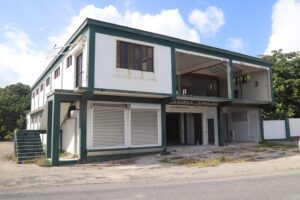
He also criticised the government’s decision to purchase the Caracasbaai Supermarket building for the new headquarters which he described as being “an eyesore along the roadside”.
Webster also questioned the government’s plans to establish a permanent presence in the United Kingdom, which he said could cost millions of dollars.
“How do you muster the gall to ask Anguillians living here, to sit in this heat without electricity, while government contemplates spending millions on property thousands of miles away?” he asked.
He contrasted that proposed expenditure with the current problems facing ANGLEC and questioned whether the government’s spending priorities reflected the immediate needs of residents.
A legal question
The opposition leader went on to question whether the current circumstances of the load shedding programme meet the requirements of section 13(1) of the Electricity Act.
The provision allows a public supplier to reduce electricity supplied when “unforeseen circumstances beyond the supplier’s control” result in insufficient available generation.

Webster asked how the circumstances could be considered ‘unforeseen’ when the island’s generation-capacity problems had already been identified.
He called on the government and ANGLEC to explain the legal basis for the current load-shedding programme and whether the electricity commissioner had been consulted.
The former premier also asked what protections are available to affected consumers and when adequate generation capacity is expected to be restored.
“Most importantly: When does the emergency measure end and when does the actual solution begin?” Webster asked.