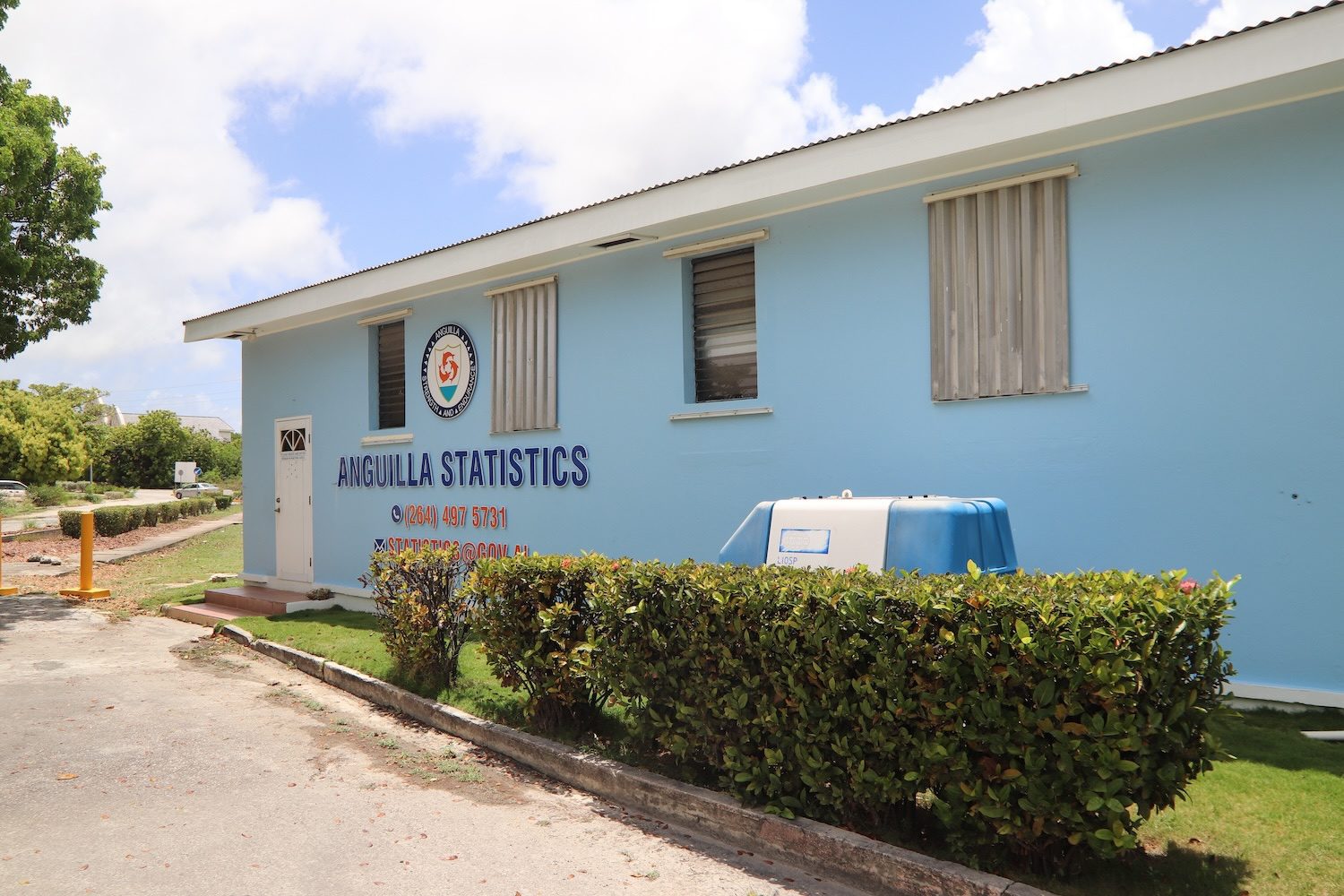
Anguilla has published its first comprehensive assessment of the island’s labour force in over 25 years, providing new data on employment, unemployment, earnings and skills.
The Anguilla Labour Force Survey 2025 report was officially released on 1 October, establishing a new statistical baseline.
The Anguilla Statistics Department hosted the launch at the Ministry of Finance under the theme, ‘Data today: Building Anguilla workforce of tomorrow’.
At Anguilla Focus we keep our core content free for everyone – but our members get access to even more! Click here to join from just $4/month.
Master of ceremony Kenn Banks said the report represents the culmination of considerable work, planning, field operations, data processing, analysis and collaboration.
“Most importantly, it reflects the committed commitment of households across Anguilla that participated in the survey,” he said.
‘Important milestone’
Dr Aidan Harrigan, permanent secretary in the Ministry of Labour, described the survey as an “important milestone” in strengthening Anguilla’s statistical system and understanding its labour market.
He said the findings provide reliable information on labour force participation, employment, unemployment and other indicators that can help identify emerging workforce trends.
The data can also support decisions on employment, skills development, education and training, workforce planning, social protection and economic development, he said.
Harrigan said the survey will be conducted twice a year to capture the high and low seasons and provide more timely information on changes in labour market conditions.
“As Anguilla continues to evolve socially and economically, it is increasingly important that decisions affecting our people and our economy are informed by sound, credible and relevant evidence,” he said.
He encouraged policymakers, businesses, researchers, development partners and the wider community to use the findings to support evidence-based planning and improve outcomes for people in Anguilla.
Years of advocacy
Chief statistician Lori-Rae Alleyne-Franklin described the launch as the culmination of years of advocacy after previous efforts to establish a dedicated labour force survey were hampered by funding and staffing constraints.
She said an opportunity emerged when the Education Planning Unit sought European Union funding for a project that required labour market information, providing the catalyst to turn the longstanding need into action.
The survey covered areas including occupations, industries, hours worked and the characteristics of workers, providing a more detailed picture of the labour market than previous population censuses.
Alleyne-Franklin said the findings showed strong labour force participation, relatively low unemployment and high levels of formal employment.
It also identified youth unemployment, skills development, sectoral concentration and household economic resilience as areas requiring further attention.
She stressed that the publication of the report represents a baseline rather than the end of the project, with future rounds intended to show how Anguilla’s labour market changes over time.
Guiding education
Education services planner Dawn Reid focused on how the survey’s findings could help Anguilla better align education and training with the needs of the labour market.
She said the Ministry of Education could use the data alongside the 2020 labour market survey to inform decisions on training, skills development, curriculum development and the human resources Anguilla will need in the future.
Reid said identifying skills gaps is particularly important because education and training can take several years to produce workers with the qualifications required by employers.
The findings can help determine whether emerging workforce needs should be addressed by recruiting workers or developing the skills of people already in Anguilla, she said.
She added that anticipating future skills shortages could also help people make decisions about areas of study and allow education policy to respond before significant imbalances develop.
‘Lived realities’
Statistician Careme Carty said the publication of the report meant Anguilla was “no longer navigating our workforce development, skills training or social policies in the dark”.
“These numbers represent the lived realities, the hard work and the potential of the Anguillian people,” he said.
Carty called for the findings to be transformed into policies that support a resilient and productive workforce and sustainable development.
He thanked residents who welcomed interviewers into their homes, as well as the statistics team, interviewers, supervisors, consultants and others who helped collect, process and present the data.
“Let us leave here today committed to turning these insights into actions that foster sustainable development for generations to come,” he said.
Anguilla Focus will be looking into the report in detail in subsequent articles. To see the report in full click here.