While Anguilla largely escaped harm this hurricane season, the devastation wrought on neighbouring Caribbean islands has left it with “critical lessons”.
Trevor Queeley, acting director of the Department of Disaster Management, highlighted the importance of ongoing preparedness in a press release on 1 December.
“This season, predicted to be above active as is the common trend in recent history, brought with it sobering reminders of nature’s power and unpredictability,” he said.
Anguilla Focus is not owned by shareholders or wealthy investors. Members help fund our independent work. Click here to support us from $3/month.
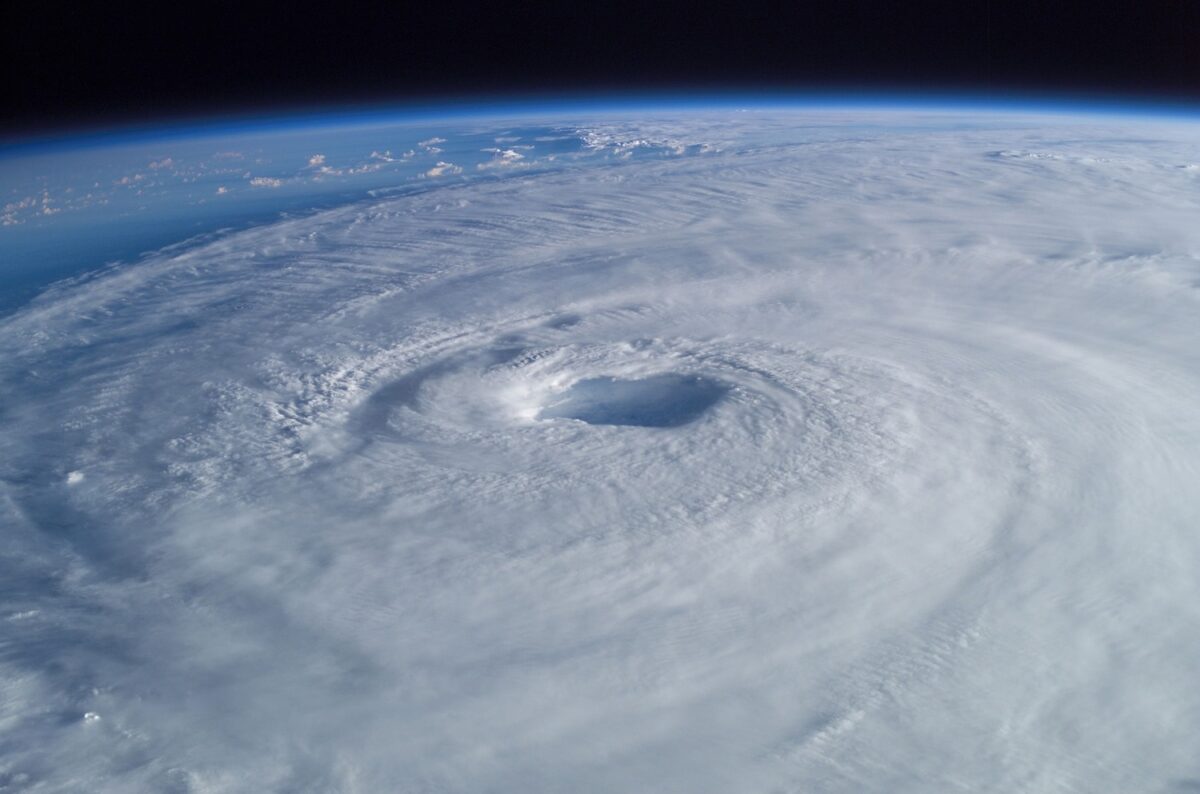
Atlantic hurricane season runs from 1 June to 30 November, with activity peaking between August and October when warm ocean waters and favourable atmospheric conditions drive storm formation.
This year, the National Oceanic and Atmospheric Administration forecast ‘above-normal’ activity due to raised ocean temperatures, a weak wind shear and higher monsoon activity in West Africa.
But while Anguilla experienced several thunderstorms and some localised flooding this season, it was spared major storms and widespread damage.
Queeley said the island continues to stand in solidarity with Jamaica, Haiti and Cuba which endured the full force of Hurricane Melissa in October.
“Globally, we’ve seen the intensifying effects of climate change – from floods in Europe to wildfires in North America and super typhoons in Asia,” he explained.
“These events remind us that no region is immune and that proactive adaptation and resilience-building must remain a priority.”
Queeley urged every household, business and organisation in Anguilla to continue prioritising preparedness.
“Let us learn from the experiences of our neighbours – especially the importance of robust early warning systems, swift evacuation protocols and community cohesion,” he said.
“Though the hurricane season has ended, other hazards remain. Let us use this time to strengthen our readiness and recommit to building a safer, more resilient Anguilla.”
The acting disaster management director said the season has reinforced several critical lessons:
- Preparedness is non-negotiable: Early planning, clear communication and community engagement remain the backbone of disaster readiness
- Regional solidarity matters: The challenges faced by neighbours highlight the importance of mutual support and collaboration across the Caribbean
- Resilience requires investment: Strengthening infrastructure and disaster mitigation strategies is essential to withstand future threats
He thanked the people of Anguilla for their continued vigilance, preparedness and community spirit, and emergency responders, volunteers and partners, for their dedication and service.
“To the leadership at the Governor’s Office and Government of Anguilla, thank you for your continued support and guidance when needed. Together, we remain vigilant, united and strong,” he added.