Opposition accuses government of prioritising ministerial vehicles over public services

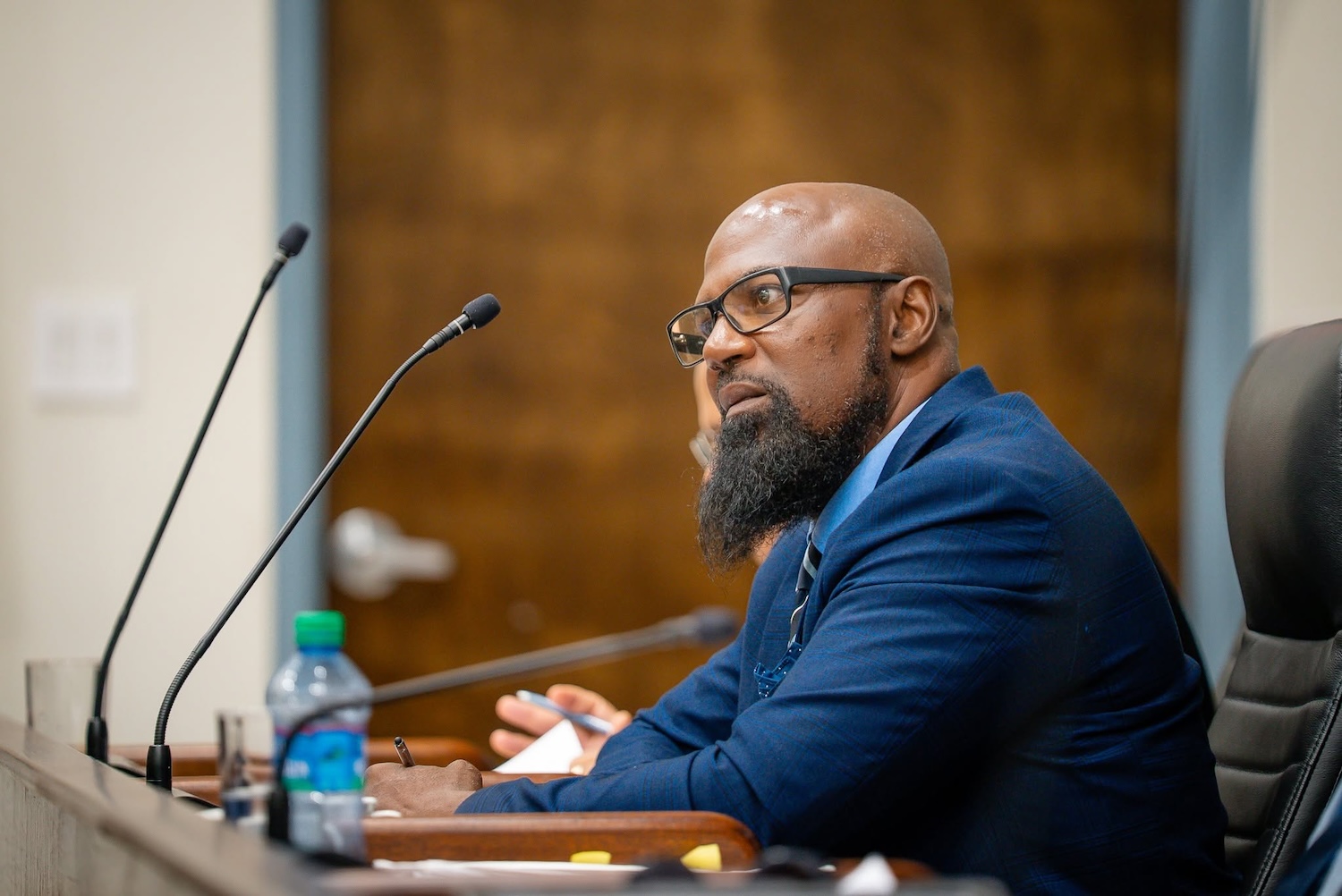
Opposition member Haydn Hughes has accused the government of using funds earmarked for the expansion of the government’s fleet to purchase cars for ministers.

About EC$2 million had been allocated in the 2025 Budget, moved by the past administration, “to address critical operational needs across the public service”, he said.

“Ministerial vehicles were not identified as a priority,” the former infrastructure minister added in a statement published on 10 June.

Anguilla Focus is not owned by shareholders or investors. Members like you help fund our independent work. Click here to support us from $4/month.

Hughes’ comments followed a Klass FM radio interview on 8 June featuring education minister Shellya Rogers-Webster, during which she said new ministerial cars were earmarked in the 2025 Budget.

She told listeners that two cars were purchased in the early stages for herself and Evans McNiel Rogers, senior ministerial advisor for health, neither of whom had a working official vehicle at the time.

Shellya Rogers-Webster, Minister of Social Development, Education and Library, Youth and Culture. (Government of Anguilla/2025)

Later, additional vehicles for the other ministers, which cost between US$20,000 to $30,000, were purchased during 2025 and arrived in Anguilla in January before being issued just last week.

Rogers-Webster argued that the cost of the cars was much lower than those issued to ministers in the Cayman Islands or the Turks and Caicos Islands.

“What’s amazing to me is that we don’t bat an eye when the governor receives a new vehicle, but for some reason elected officials are not supposed to have vehicles,” she said.

In Hughes’ response, he explained that the money was earmarked for vehicles for the high school’s technical campus, the Department of Water Services, the Royal Anguilla Police Force, public schools and more.

Ministerial cars were not intended as the priority, he said, adding that some of those purchased cost more than the vehicles intended for frontline public services.

“More troubling still, many of the ageing and dilapidated vehicles that the funding was meant to replace remain in operation today,” he continued.

The opposition member also questioned why the administration had prioritised vehicles for ministers while delaying certain infrastructure projects and cost of living initiatives.

“If the government believes purchasing new ministerial vehicles was the correct decision, then it should defend that decision on its merits,” he said.

“What it should not do is attempt to hide behind the previous administration in an effort to escape accountability for choices it made itself.”

Watch Hughes’ address in full below:

Leave a Reply

Your email address will not be published. Required fields are marked *