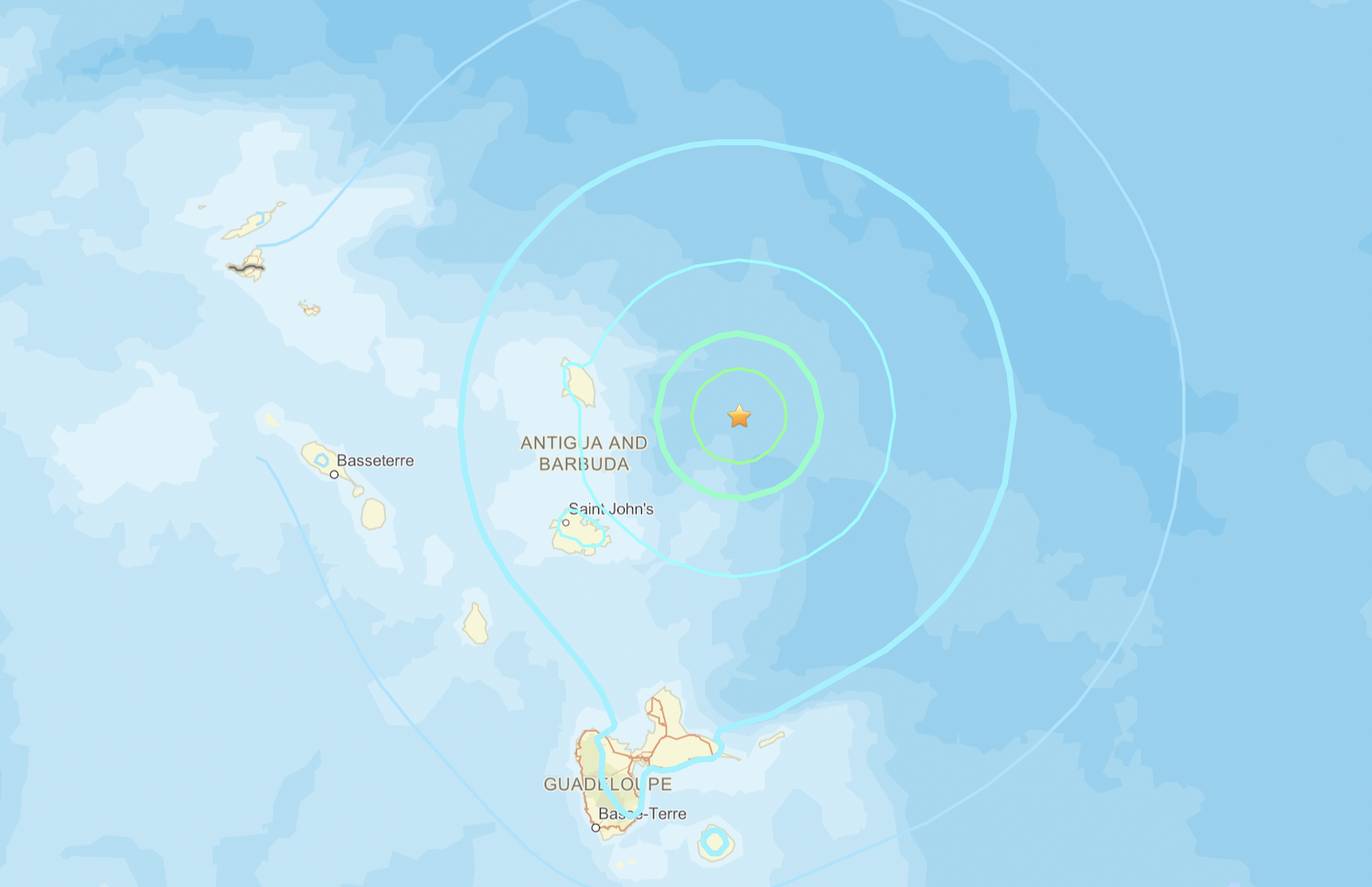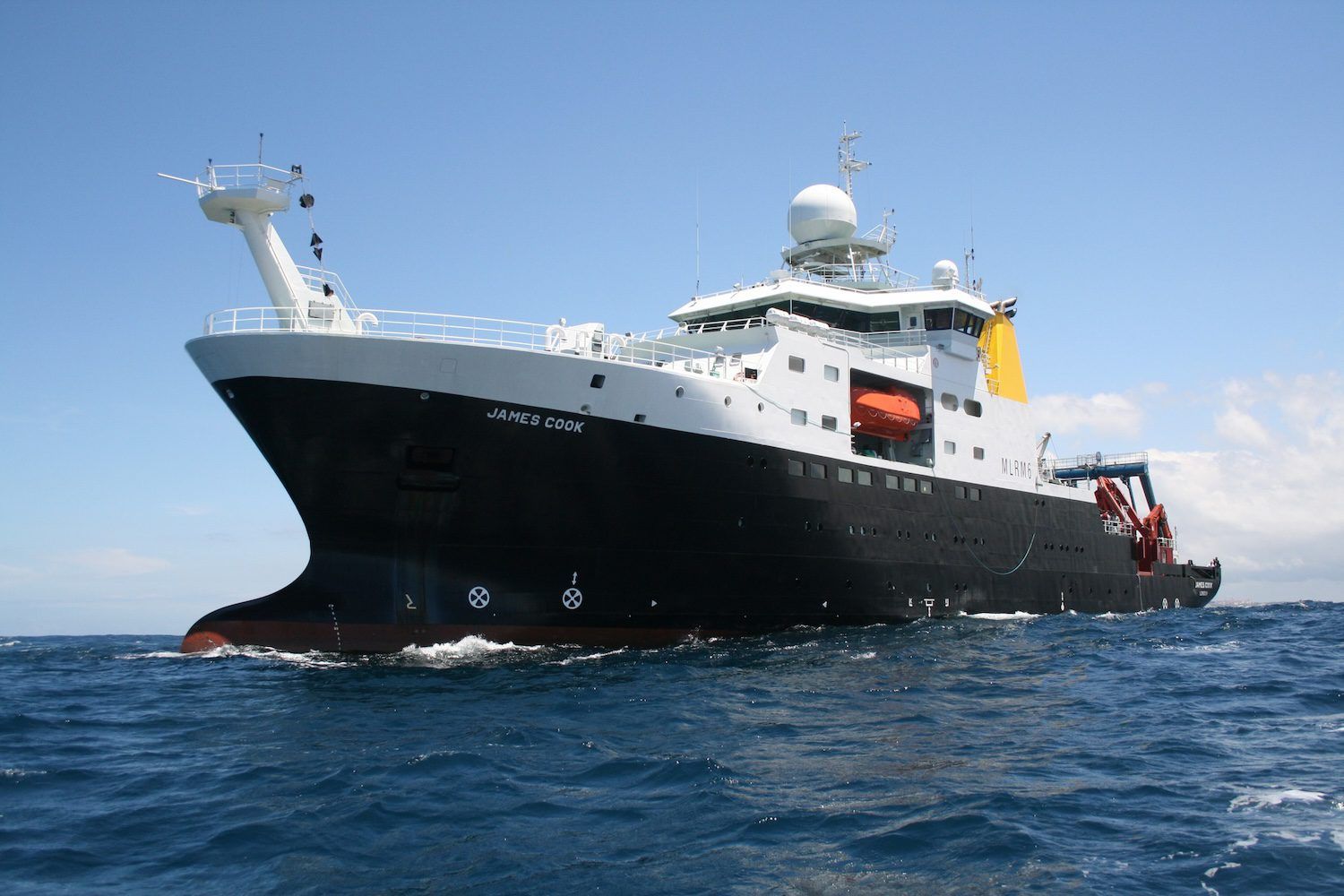
Scientists from Anguilla have joined a United Kingdom team on the deep sea research vessel RRS James Cook for a 12-day voyage to study the island’s previously uncharted waters.
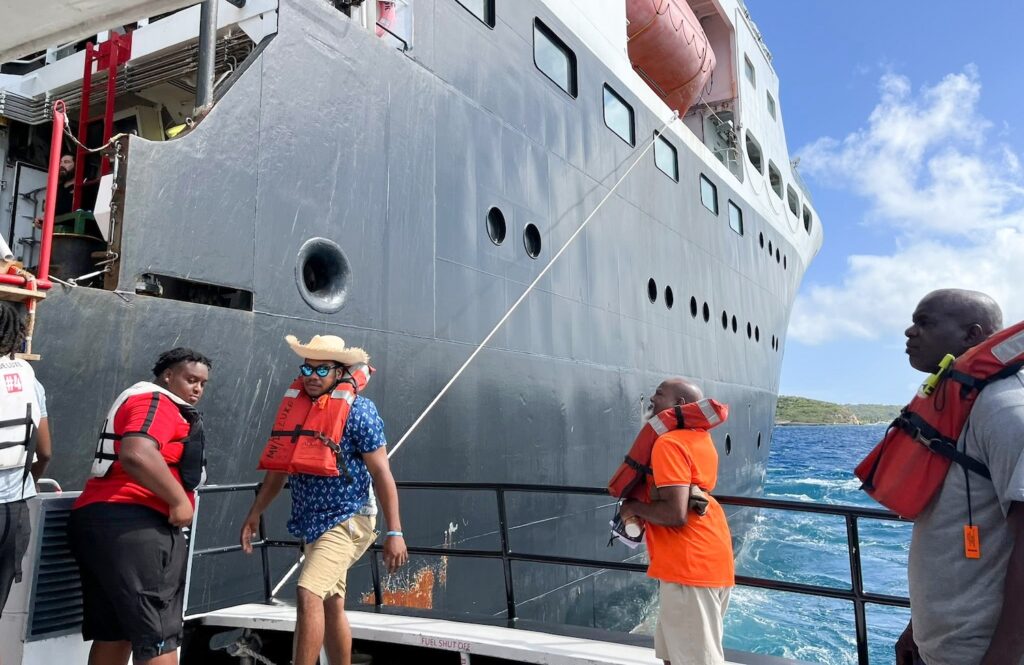
The experts in local fisheries, the environmental impacts of human activities and local ports boarded the ship from Sandy Ground on 17 January after it arrived from the Dominican Republic.
They will help to map areas of the seabed to support safe navigation, assess the health of key fisheries, study seabed habitats and biodiversity, and carry out Anguilla’s first offshore water quality survey.
Get members-only articles and editorials, giveaways and discount codes with Anguilla Focus. Click here to join from just $4/month.
After exploring Anguilla’s waters, the boat will journey on to the Turks and Caicos Islands and the Cayman Islands, where local scientists and marine managers will join with the project.
Collectively, the three UK overseas territories steward 365,000 km2 of ocean – an area one and a half times the size of the UK.
The data collected on offshore ecosystems during the Beyond the Reef Caribbean expedition will help the governments make decisions on sustainable marine management and blue economy opportunities.
It is the first voyage to the Caribbean in the 10-year history of the Blue Belt Programme – a UK-led initiative to protect and manage the overseas territories’ marine environments.
Demystifying the deep
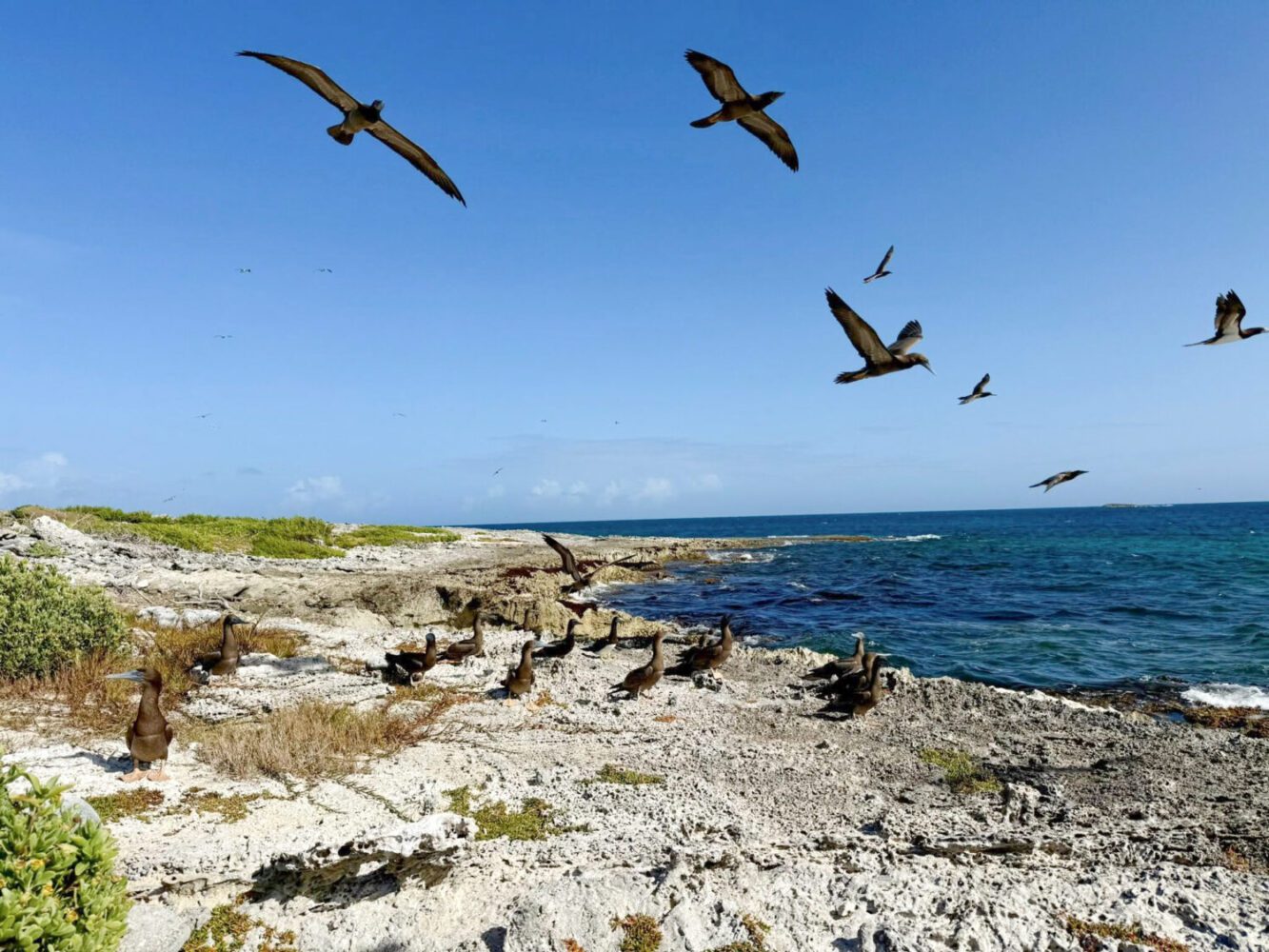
While Anguilla, the TCI and the Cayman Islands are well known for their thriving coral reefs and pristine beaches, much of the scientific research to date has focused on their coastal waters.
The deeper offshore regions, by contrast, remain largely uncharted due to the challenges of access, the UK government said on announcing the voyage in November.
“As a result, the impact of human activities, climate change and pollution on these ecosystems is still poorly understood,” it added.
“Improving scientific understanding of these areas is key to developing effective strategies to manage and protect them.”
The expedition will study previously unexplored offshore areas to document unique species, assess human impacts and inform conservation strategies.
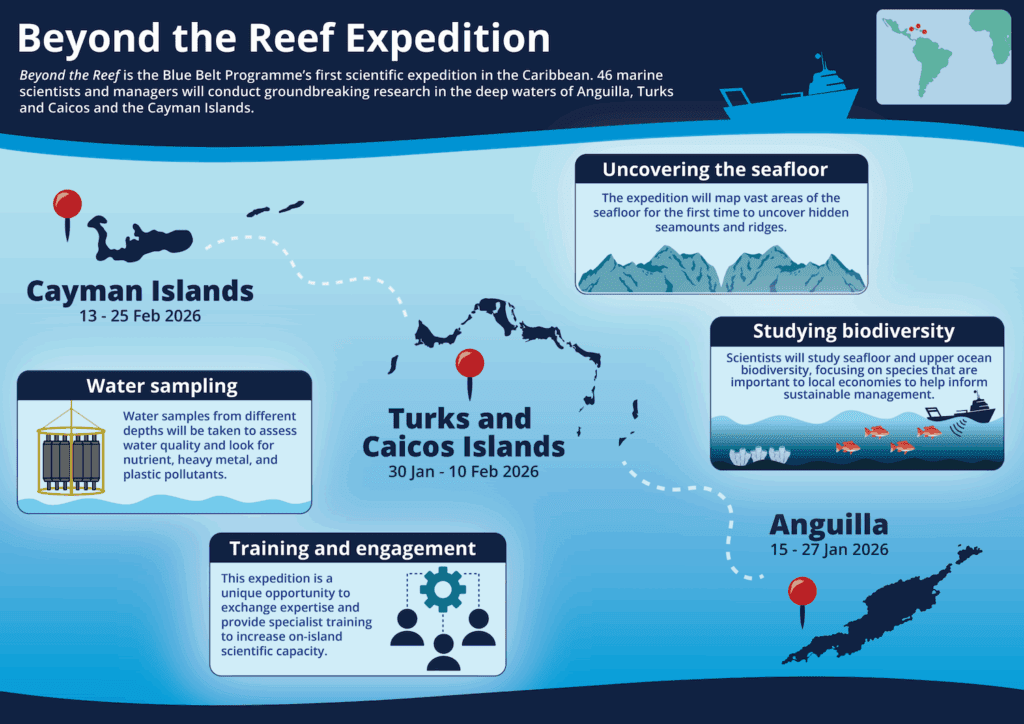
Scientists will create detailed seafloor maps to understand ecological hotspots, support sustainable fishing and improve navigational safety.
The team will also track pollution and baseline ocean conditions to assess climate change impacts and protect critical habitats like coral reefs.
The expedition builds on previous Blue Belt Programme missions, advancing scientific exploration to safeguard millions of square kilometres of ocean ecosystems.
The UK team are from Cefas, the Marine Management Organisation, the National Oceanography Centre, the UK Hydrographic Office, the Natural History Museum and the British Antarctic Survey.
Learn more about the six week expedition here.