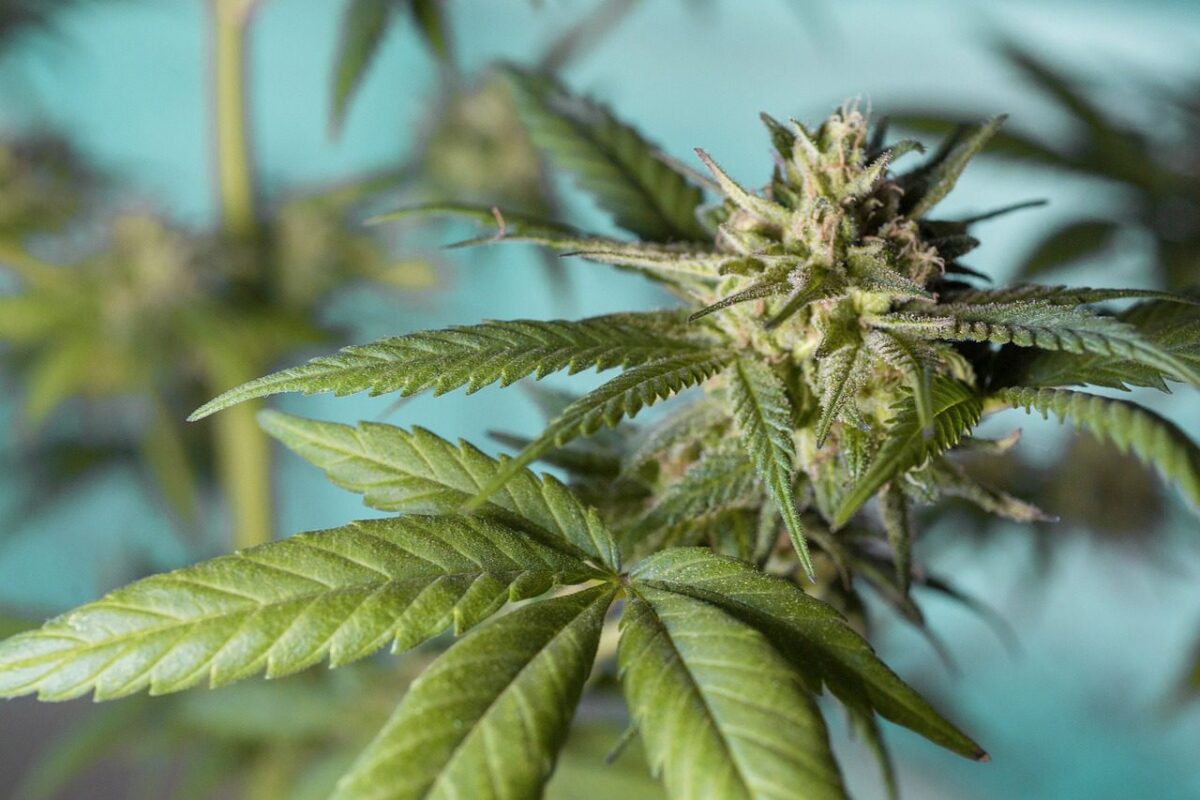
Cannabis decriminalisation pilot ends but police rules remain pending review

A year-long pilot decriminalising cannabis for personal use in Anguilla has ended, but police guidelines limiting arrests will remain in place while the results of the project are reviewed.

From 1 December 2024, a new government policy meant residents were no longer at risk of arrest for growing up to four cannabis plants or carrying up to 10 grammes on their person.

Use was limited to residential or private areas and strictly to adults aged 18 and over, while children remained bound by the Child Justice Act.

Anguilla Focus is not owned by shareholders or wealthy investors. Members help fund our independent work. Click here to support us from $3/month.

The law maintaining that cannabis is an illegal drug remained in place, but over the year, specified criminal sanctions were no longer enforced by the Royal Anguilla Police Force.

On Monday, 1 December, the pilot ended and the police press office told Anguilla Focus that the force will be conducting a review “as to how it worked in an operational setting”.

This will then be submitted to the government for consideration as to the next steps, police said, adding that while awaiting further direction, the force will continue to use the current guidelines.

They did not indicate when the review would begin, how long it would take or whether it would be made public. Anguilla Focus has requested clarification.

A directive policy

Following the start of the pilot on 2 December, last year, then education minister Dee-Ann Kentish-Rogers  said it had been a “highly debated, hotly commented issue” for many years.

She spoke of public consultations and debates in the Anguilla House of Assembly, and gave her thanks to everyone who participated.

A new directive policy was crafted through recommendations from the governor-appointed Drugs Advisory Council along with an internal policy document for police, she explained at the time.

Kentish-Rogers underlined that Anguilla cannot pursue legalisation of cannabis, therefore the pilot would simply see the non-enforcement of the law.

“That is because there is an international convention on narcotics, a treaty to which the UK is a signatory, and that treaty was extended to Anguilla,” she said.

As the review is conducted, authorities will continue to monitor and enforce legal regulations on the sale and trafficking of cannabis.

Any child found using or in possession of the drug will be referred to the Child Justice Board and possibly receive intervention from the drugs counsellor.

Anyone wishing to import cannabis for medical use can contact the chief medical officer who will review each case individually.

Leave a Reply

Your email address will not be published. Required fields are marked *