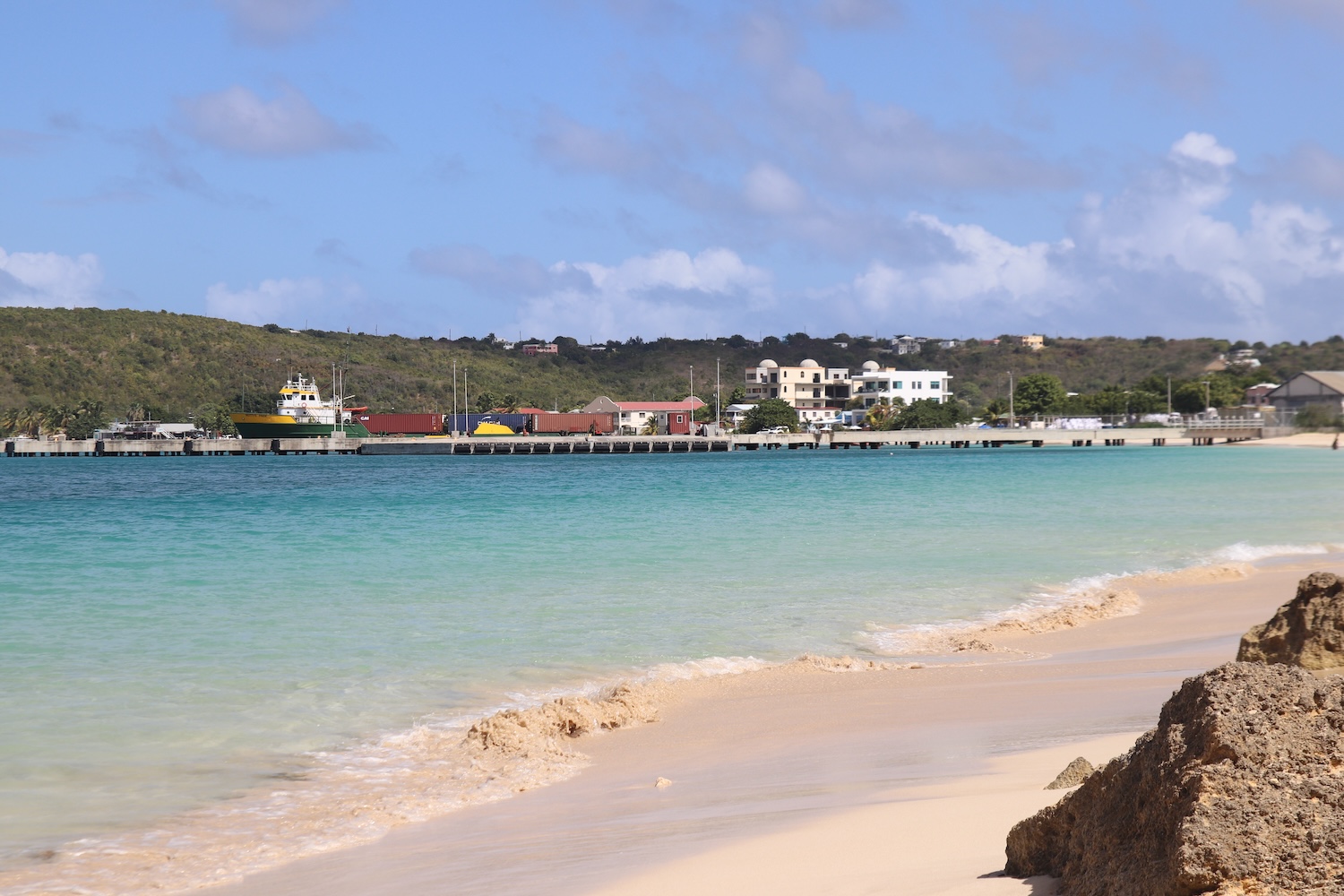
The government has warned that rising international freight charges could lead to higher prices for goods imported to Anguilla.
The increases are linked to ongoing disruptions in global oil markets, which are continuing to drive up shipping costs worldwide.
In a press statement on 13 March, the government said it had received notice from international shipping lines indicating significant increases in freight charges.
Get members-only articles and editorials, giveaways and discount codes with Anguilla Focus. Click here to join from just $4/month.
“As a small island that relies heavily on imported products, changes in global markets can have an impact on the cost of fuel, consumer goods and other essential items on the island,” it said.
The government said it is treating the matter with urgency and is taking a proactive approach, adding that discussions are underway with technical officials, the private sector and ANGLEC.
The talks aim to assess the possible implications and to identify measures that may help mitigate any potential impact on businesses and households.
The government is urging retailers, importers and other stakeholders to respond to the situation cautiously, while it continues to monitor developments and consult with relevant parties.
‘Remain calm and monitor’
In an earlier press conference on 9 March, Premier Cora Richardson Hodge said the government was closely monitoring the ongoing geopolitical tensions overseas and possible implications for Anguilla.
“International markets have seen sharp volatility in recent days, with crude oil rising to over US$100 a barrel, and at points approaching $120 amid concerns about disruption to Middle East supply routes,” she said.

“We know that for a small import dependent economy like ours, development of that nature can eventually affect transport, electricity and the wider cost of living.”
However, she stressed that international price movements do not always translate immediately into local costs, as there is typically a lag while shipments and supply contracts move through the system.
“There are mixed reviews internationally and whether the impact will be short lived or more prolonged,” the premier continued.
“Some investors appear to be betting on a temporary shock, while some perspectives reflect sustained higher prices, ultimately impacting inflation.”
“Our position is to remain calm and monitor the situation carefully and its impact here in Anguilla.”
At the same press conference utilities minister Jose Vanterpool added: “I would like to assure the public that at this time, there is no anticipation of increases to electricity bills in the short order.”