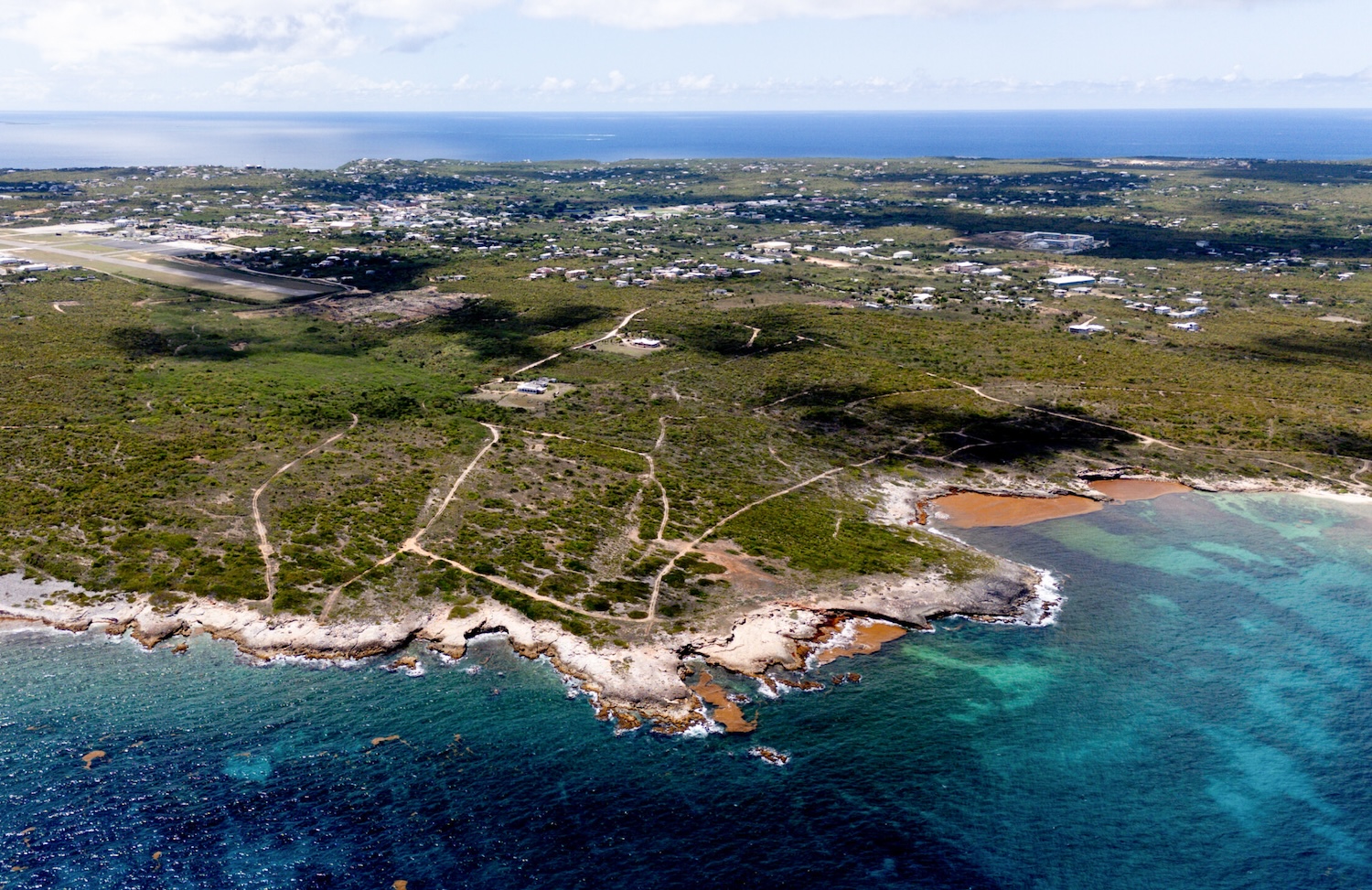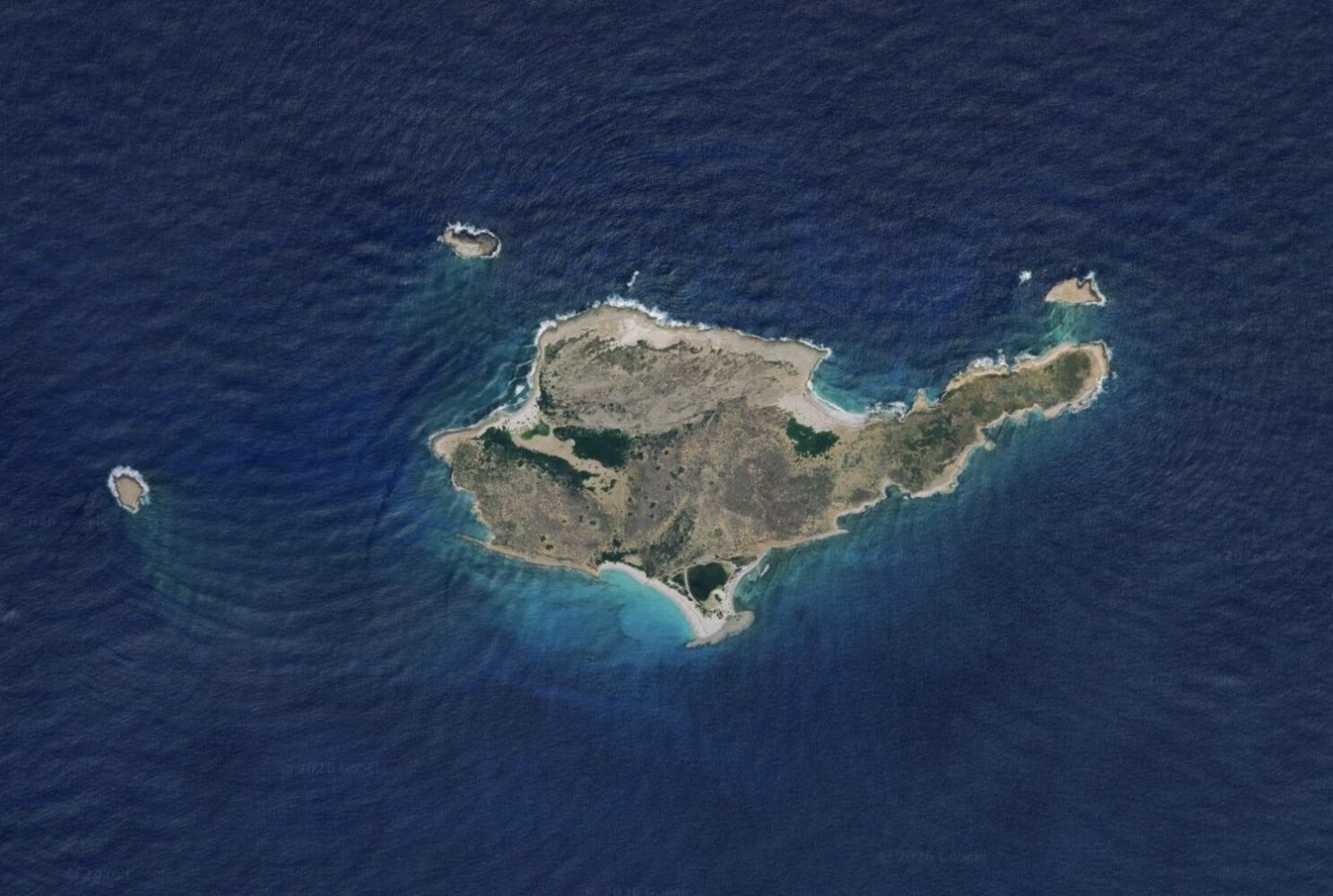
An uninhabited 510-acre private island about eight miles off Anguilla’s north-west coast has been listed for sale with an asking price of US$222 million.
Dog Island, which has been owned by the same family for a number of years, is known for its globally significant seabird colonies and protected marine habitat.
It is being marketed by Dream Dwell Realty based in Blowing Point, which announced the sale in a press release on 6 August.
At Anguilla Focus we keep our core content free for everyone – but our members get access to even more! Click here to join from just $4/month.
“An island like this does not come along often,” said Glenford Walters, principal of Dream Dwell Realty.
“It is one of the largest private islands in Anguilla. From the beaches to the birdlife, whoever takes it on becomes the steward of something rare.”
While Dog Island is privately owned, any future development would require planning permission and be subject to Anguilla’s planning laws.
‘Greatest natural asset’
The low-lying, limestone island to the west of the Prickly Pear Cays, is Anguilla’s third-largest island and has three small cays off the west and north coasts as well as several rocky outcrops.
Since 1999 it has been recognised by BirdLife International as an Important Bird Area of global significance, hosting thousands of seabirds during nesting season.
A 2014 article published in the Journal of Caribbean Ornithology described Dog Island as one of the eastern Caribbean’s most important seabird nesting sites.
It said its conservation value had increased following the eradication of invasive black rats by the Anguilla National Trust and its partners in 2012.
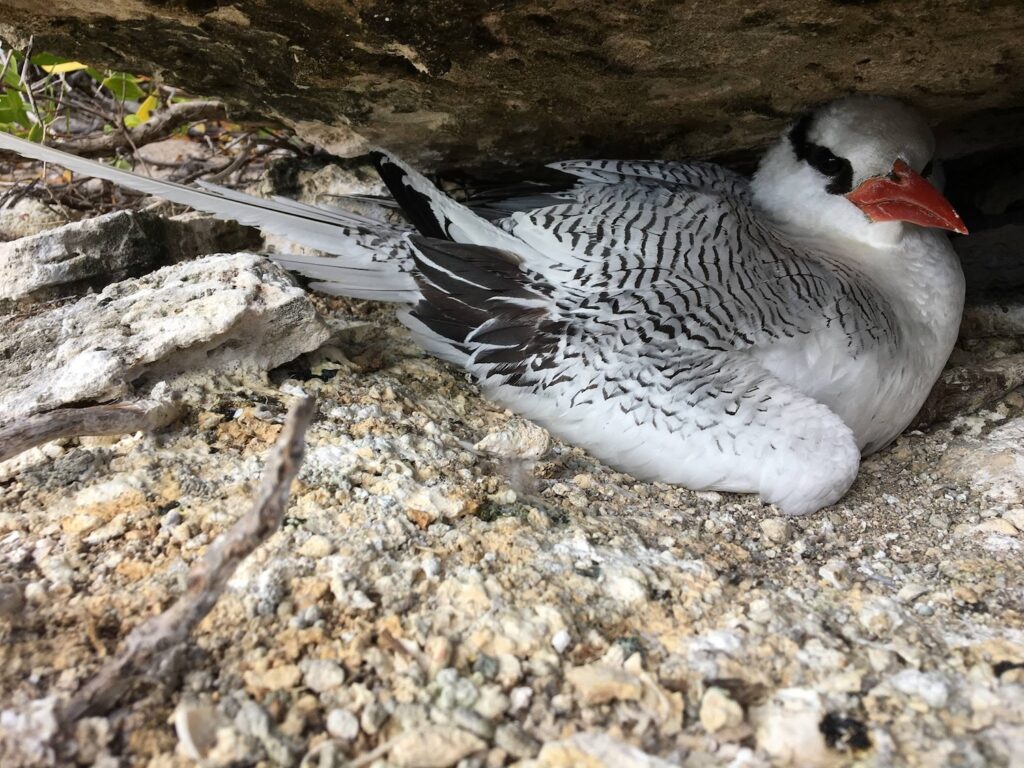
Researchers found the island supported a globally important population of red-billed tropicbirds, with numbers exceeding 1% of the species’ worldwide population.
Significant colonies of brown boobies, magnificent frigatebirds and masked boobies have made the island their home, while the study also recorded the first confirmed breeding of Audubon’s shearwater.
The authors concluded that the island is one of Anguilla’s “greatest natural assets” and warned that development could harm nesting seabirds and increase the risk of rats being reintroduced.
Protected marine life
A 2017 government management plan for Anguilla’s marine parks, fisheries and shallow water habitats described Dog Island Marine Park as “the second most distant park from mainland Anguilla”.
It said much of the marine habitat consists of “sand patches and flat pavement, low complexity, hard bottom communities”.
The most ecologically diverse area exists between Dog Island and West Cay, where topologically complex subsurface rocks are encrusted with a large variety of sponges, soft corals and hard corals.
The report says there is a wide diversity of fish species in the area, with pelagic and reef species coexisting throughout.
Sharks are relatively common and turtles are often sighted “making this an attractive area for recreational diving”, while Great Bay is an important sea turtle nesting site, it continues.
At the time, the plan proposed that the area becomes a pelagic fish and reef species reserve, including for conch and lobster.
See a video of Dog island courtesy of the Anguilla Natural Trust here.